



Crypto has matured a lot over the past few years. What once felt like a chaotic mix of speculation, memes, and half-finished whitepapers has slowly grown into an ecosystem that actually wants to educate its users. And that shift has created one of the most interesting trends in the space today — the rise of learn-and-earn crypto initiatives.
Instead of asking newcomers to risk money upfront, these platforms reward users for learning first. You watch a short lesson, read an explainer, complete a quiz, or test a product. In return, you receive real crypto. Not points. Not discounts. Actual tokens.
In this guide, we’ve researched and curated a practical list of the best crypto learn-and-earn programs you can try right now in 2026. Some are run by major exchanges. Others come from Web3 education platforms or blockchain foundations. A few surprised us during research, and we’ll be honest about that too.
If you’ve ever wanted to learn about crypto and earn at the same time, this article is for you.
Why Learn-and-Earn Matters More Than Ever
According to multiple industry reports, over 60 percent of crypto users in the USA say they started investing without fully understanding how blockchain works. That’s not ideal for anyone.
Learn-and-earn flips the script.
Instead of “buy first, ask questions later,” these programs encourage people to slow down, understand the basics, and earn crypto by learning. For beginners, it removes fear. For projects, it creates better users. For the ecosystem, it raises the overall level of knowledge.
And yes, many of these programs are available for free, which is a big deal when trust is still fragile in crypto.
How Learn-and-Earn Crypto Programs Work
Most learn-and-earn crypto models follow a similar structure:
- Short educational modules or videos
- Simple quizzes or tasks
- Small crypto rewards after completion
- Limited availability depending on region or campaign
The idea is not to make you rich overnight. The idea is to onboard you properly.
Some programs focus on fundamentals like wallets and security. Others go deeper into DeFi, NFTs, Layer-2 networks, or governance. A few even introduce brand-new protocols to early users.
Now let’s get into the actual platforms.
1. Coinbase Earn
Founded: 2012
Headquarters: San Francisco, USA
Type: Centralized exchange
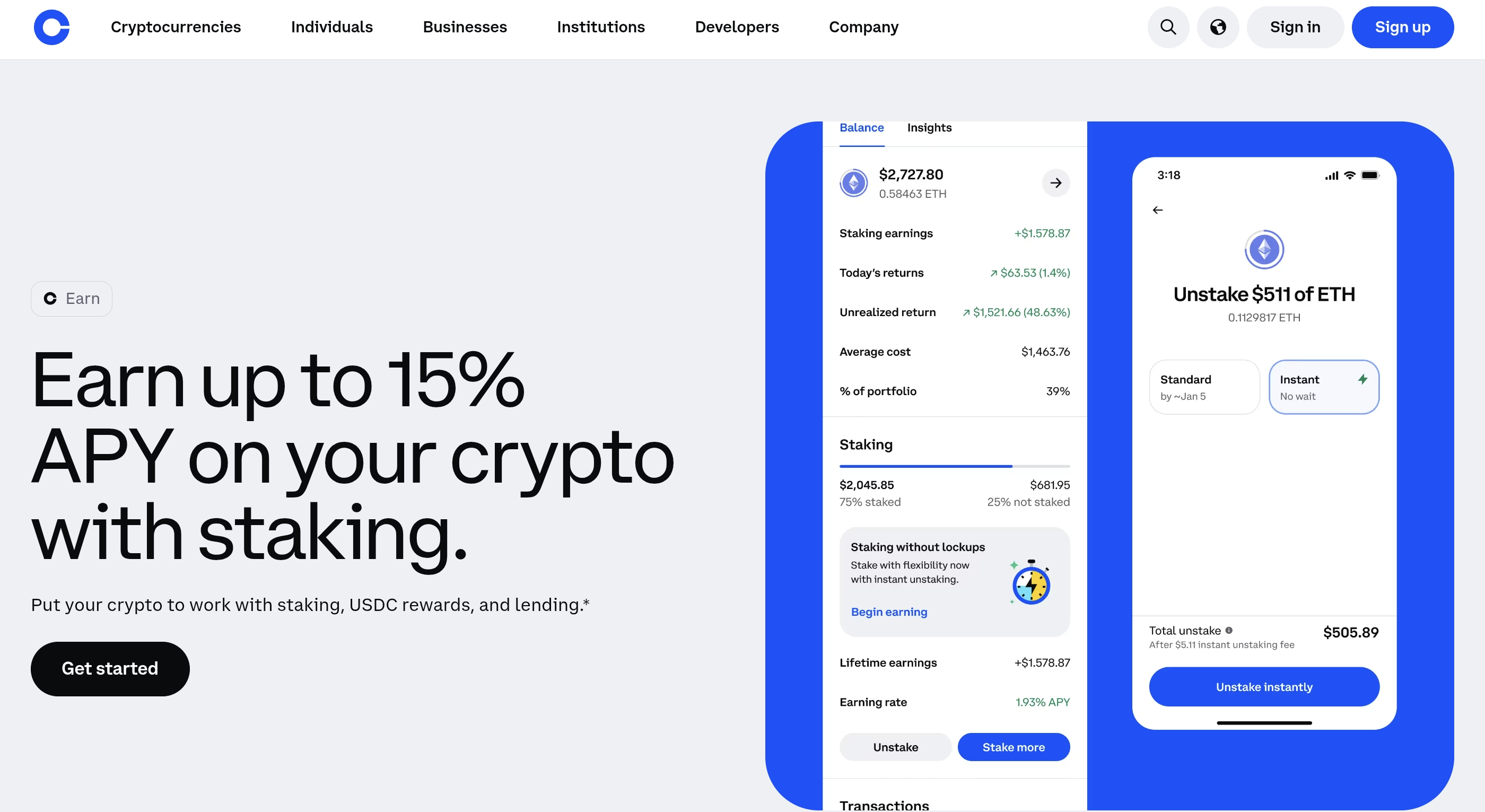
Coinbase Earn is still the most recognizable name in this space. If you’ve ever typed “earn crypto by learning” into Google, you’ve probably seen it.
Users watch short videos, answer a couple of questions, and receive tokens from featured projects. Rewards are usually small, but they add up over time.
Why it stands out:
- Extremely beginner-friendly
- Strong compliance in the USA
- High-quality educational content
Downside: Availability depends on region and account status, and campaigns rotate quickly.
2. Binance Learn & Earn

Founded: 2017
Headquarters: Global
Type: Centralized exchange
Binance runs frequent learn-and-earn campaigns tied to new token launches or ecosystem updates. The content is more technical than Coinbase’s, but also more detailed.
This is a good option for users who already understand the basics and want to go deeper.
Key features:
- Larger potential rewards
- Covers advanced topics
- Integrated directly into the Binance platform
3. CoinMarketCap Earn

Founded: 2013
Type: Data and analytics platform
CoinMarketCap Earn partners with blockchain projects to educate users about new protocols. Lessons often include whitepaper summaries, real-world use cases, and governance explanations.
Rewards are paid in the project’s native token.
Why it’s useful:
- Educational depth
- Exposure to early-stage projects
- Strong brand trust
This is one of the few programs that feels genuinely educational first, rewards second.
4. Revolut Learn & Earn
Founded: 2015
Headquarters: UK
Type: Fintech app
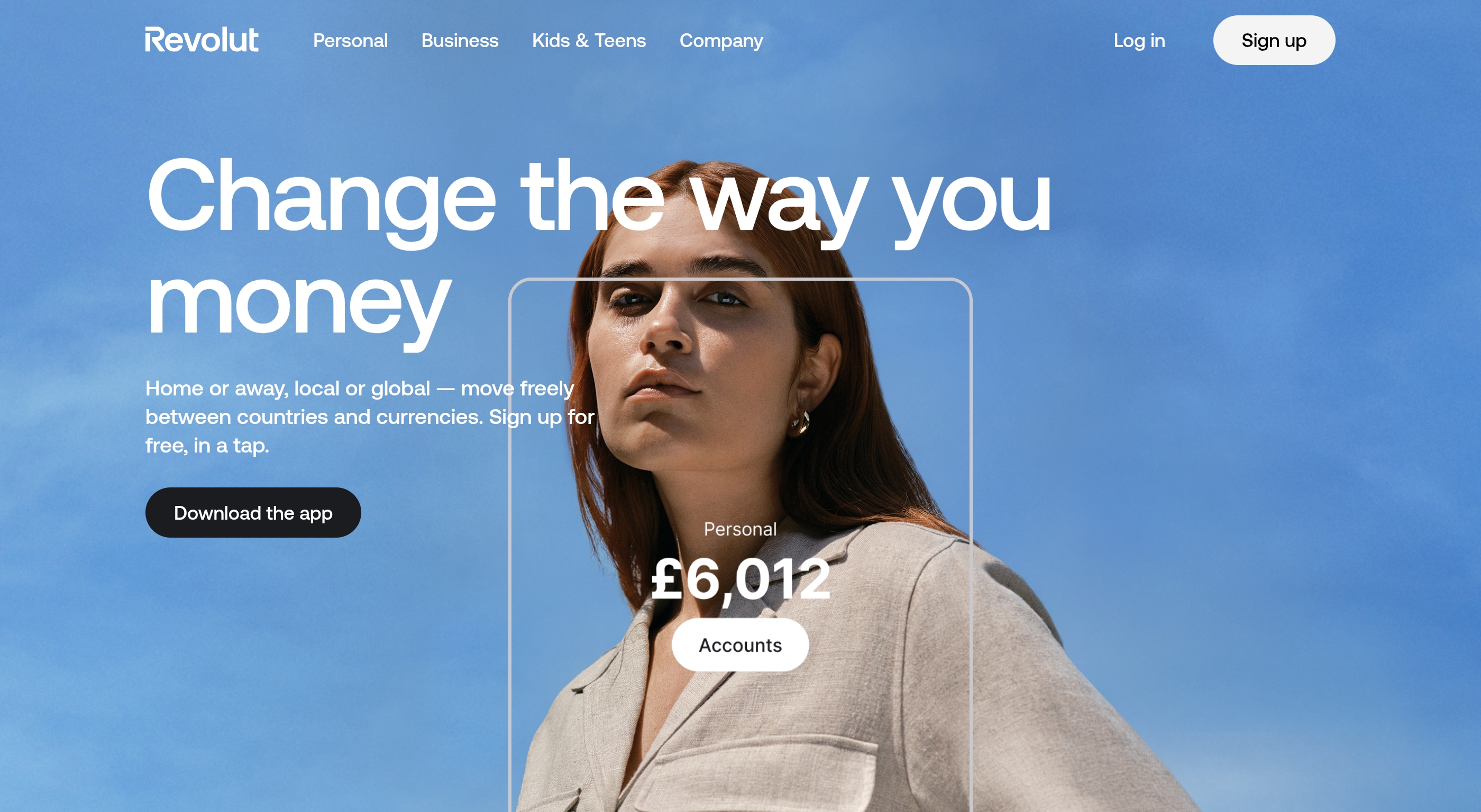
Revolut’s crypto section includes learning modules with small crypto incentives. It’s not as extensive as exchange-based platforms, but it’s surprisingly effective for casual users.
This is especially appealing for people who already use Revolut for banking.
Best for:
- Beginners
- Mobile-first users
- Learning through simple, clean UX
5. BitDegree
Founded: 2017
Type: Blockchain education platform
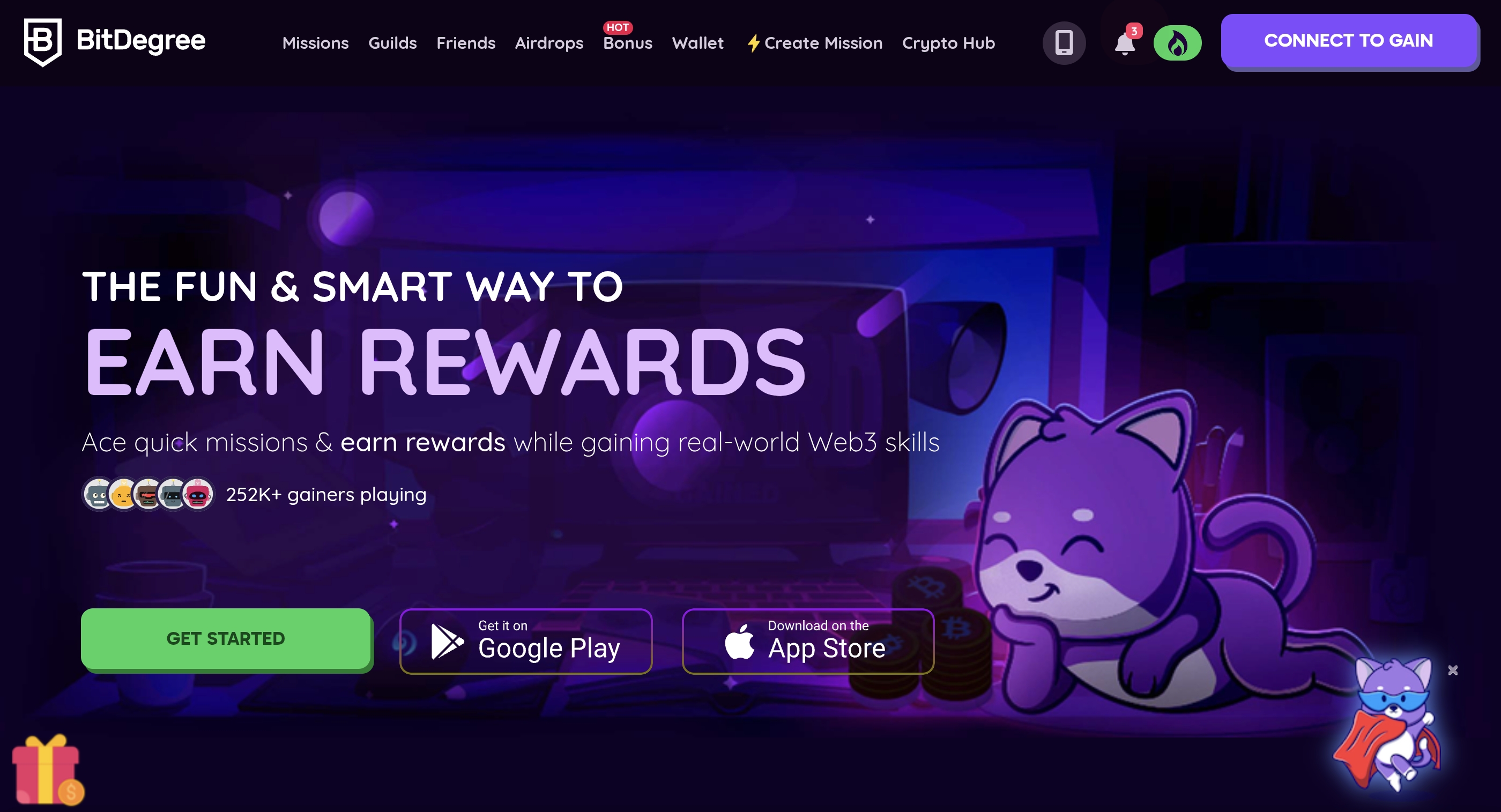
BitDegree focuses on structured learning paths rather than quick videos. Courses cover everything from blockchain basics to smart contract development.
Users earn tokens by completing courses and challenges.
What makes it different:
- Longer-form education
- Skill-focused approach
- Community-driven incentives
If you actually want to build something in Web3, this platform makes sense.
6. RabbitHole
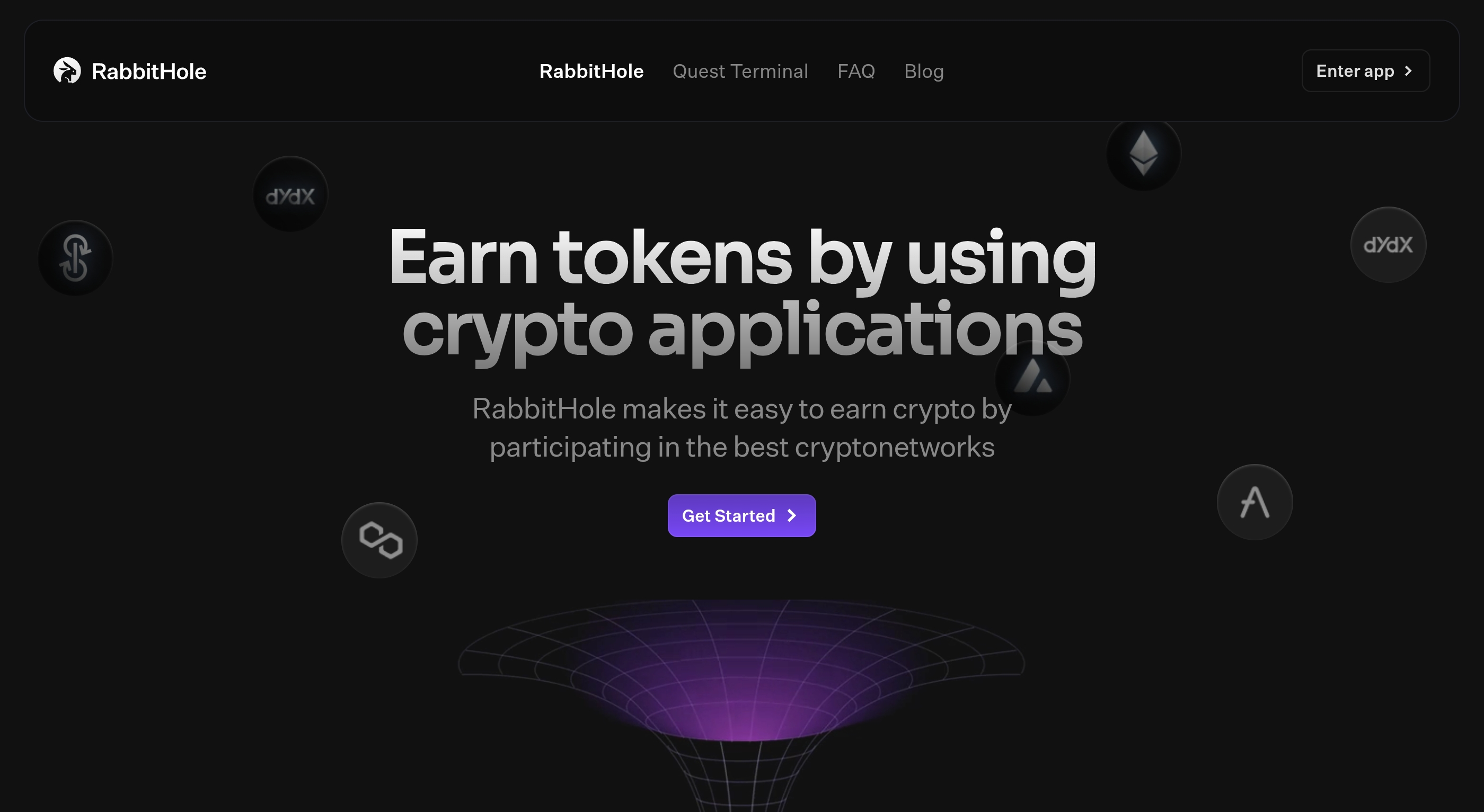
Founded: 2020
Type: Web3 onboarding platform
RabbitHole rewards users for interacting with decentralized protocols. Instead of quizzes, you learn by doing.
You might bridge assets, vote in governance, or test a DeFi product. Rewards usually come as NFTs or tokens.
Why it matters:
- Hands-on learning
- No centralized gatekeepers
- Ideal for DeFi users
This is not beginner-friendly, but it’s extremely effective.
7. Layer3
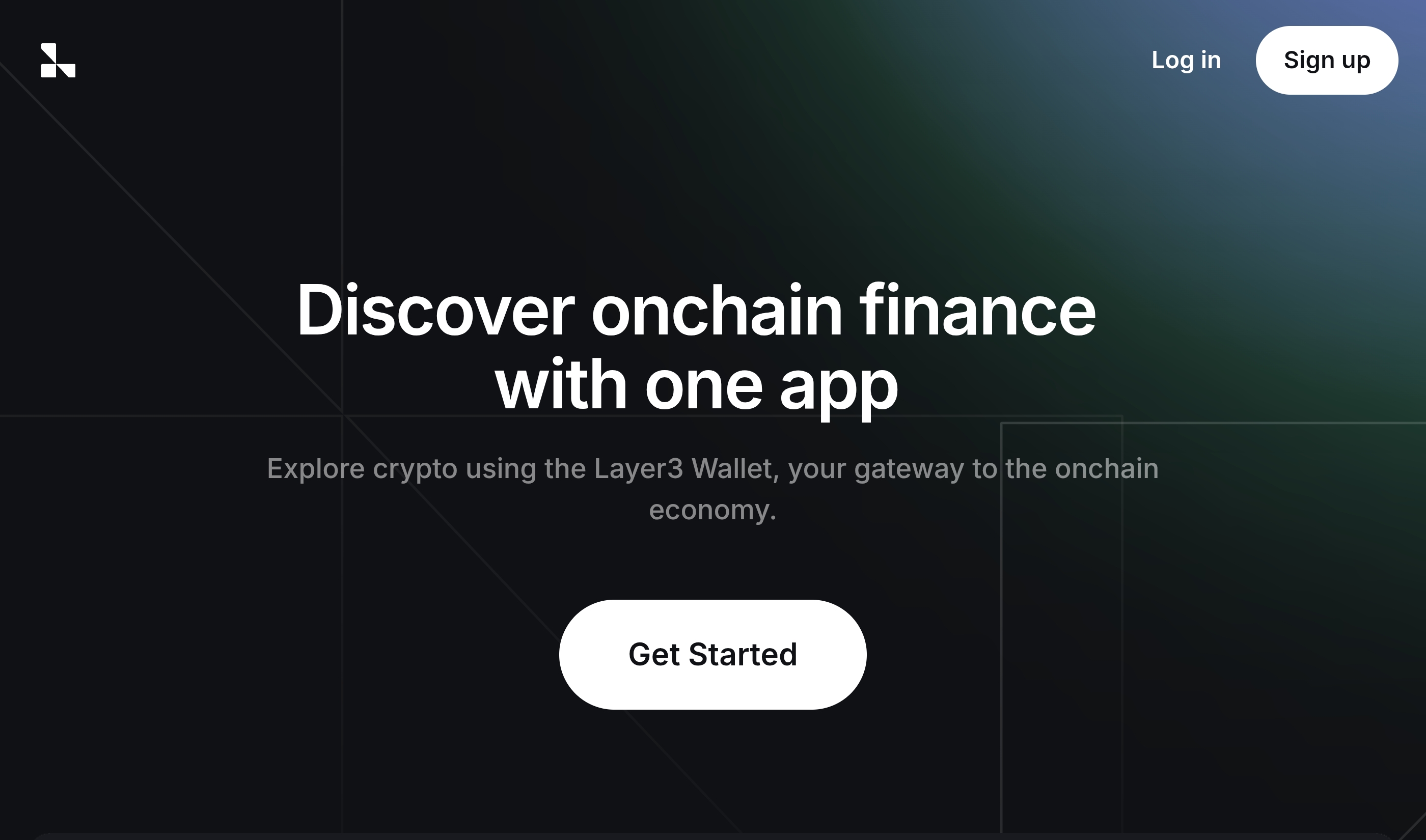
Founded: 2021
Type: Web3 quest platform
Layer3 feels like a game, but it’s education under the hood. Users complete “quests” that teach them how different protocols work.
Rewards range from NFTs to future airdrop eligibility.
Best for:
- Curious users
- Early adopters
- Exploring new ecosystems
This is one of the more creative apps in the learn-and-earn space.
8. Crypto.com

Founded: 2016
Type: Exchange and ecosystem
Crypto.com offers structured educational content tied to its ecosystem. Some lessons include token rewards, others focus on discounts and benefits.
It’s not the most generous program, but it’s polished.
9. OKX Learn

Founded: 2017
Type: Exchange
OKX has quietly built one of the better crypto education hubs. Learn-and-earn campaigns are occasional but well produced.
This is a good option for users interested in derivatives, DeFi, and advanced trading concepts.
10. Blockchain Project-Specific Campaigns
Beyond major platforms, many individual blockchain foundations run short-term learn-and-earn programs.
Examples include:
- Layer-2 networks
- Wallet providers
- Governance platforms
These campaigns are often announced on Twitter or Discord and reward early users for understanding the protocol.
They require more effort to find, but the rewards can be meaningful.
Which Learn-and-Earn Platform Is Best?
There’s no single best option. It depends on your goals.
- Want simplicity? Coinbase or Revolut
- Want deeper knowledge? BitDegree or CoinMarketCap
- Want hands-on Web3 experience? RabbitHole or Layer3
The important thing is that these platforms let you earn crypto by learning, not by guessing or gambling.
Beyond Learning — Another Way to Earn Crypto
Learning is a great entry point. But eventually, many people ask the same question: what’s next?
If you run a blog, website, or content project, there’s another option worth considering.
Instead of earning small amounts from lessons, you can earn crypto by monetizing your traffic. Platforms like AADS allow publishers to place crypto-friendly ads on their websites and earn passive income.
You don’t need to sell anything. You don’t need to promote scams. You simply provide space for ads and get paid.
If you’re curious, you can learn more about becoming a publisher here:
👉 https://aads.com/earn/
It’s a different model, but for creators and site owners, it often scales better than rewards-based programs.
In conclusion
Learn-and-earn crypto platforms aren’t perfect. Rewards fluctuate. Campaigns end. Some regions get excluded. That’s frustrating.
But as an entry point into crypto, they’re one of the healthiest trends we’ve seen in years.
They encourage curiosity. They reward patience. And they help people understand what they’re getting into before risking capital.
Whether you’re exploring crypto for the first time or refreshing your knowledge in 2026, these platforms are worth your time.
And if learning turns into building, publishing, or creating, remember — there are more ways to earn crypto than you might expect.
FAQ
Are crypto learn-and-earn programs really free?
Most reputable platforms offer learn-and-earn opportunities for free. You don’t need to deposit funds to participate, although some programs may require account verification or have regional restrictions. Always check the terms before starting.
How much crypto can you earn by learning?
Earnings vary depending on the platform and campaign. Some lessons reward a few dollars’ worth of tokens, while others can be more generous. These programs are not designed to replace a full income, but they are a low-risk way to earn crypto by learning and understand new projects.
Are learn-and-earn crypto programs available in the USA?
Yes, many learn-and-earn crypto platforms are available in the USA, including Coinbase Earn, CoinMarketCap Earn, and selected exchange-based programs. Availability may depend on local regulations and account status.
Are there learn-and-earn crypto apps for mobile users?
Absolutely. Several platforms offer mobile-friendly experiences or dedicated apps, including Coinbase, Revolut, and Crypto.com. Browser-based platforms like Layer3 and RabbitHole also work well on mobile devices.
What is an alternative to learn-and-earn programs?
If you already understand crypto and want to earn in a more scalable way, becoming a publisher is another option. Website owners and bloggers can monetize traffic by displaying crypto ads and earning passive income, without relying on educational rewards.
Sources:
- Coinbase Earn documentation - https://www.coinbase.com/earn
- Binance Academy & Learn and Earn campaigns - https://academy.binance.com
- CoinMarketCap Earn platform - https://coinmarketcap.com/earn
- BitDegree official website - https://www.bitdegree.org
- RabbitHole.xyz - https://www.rabbithole.gg
- Layer3.xyz - https://layer3.xyz
- Crypto.com University - https://crypto.com/university
- OKX Learn Hub - https://www.okx.com/learn