


Why NFT Marketing Matters More Than Ever
The NFT market has gone through one of the most dramatic hype cycles in tech history. From Beeple’s $69 million sale at Christie’s in 2021 to market corrections that saw trading volume drop by 90% in 2022, many declared NFTs “dead.” And yet, here we are in 2025, with NFT trading volumes climbing back past $3.5 billion per quarter (source: DappRadar), and Web3 gaming projects using NFTs as their backbone.
The skyrocketing popularity of NFTs is also evident in the record-breaking sales. For instance, Beeple's artwork titled "Every day: the First 5,000 Days" sold for an astonishing $69,000,000, securing its place as the most expensive NFT.
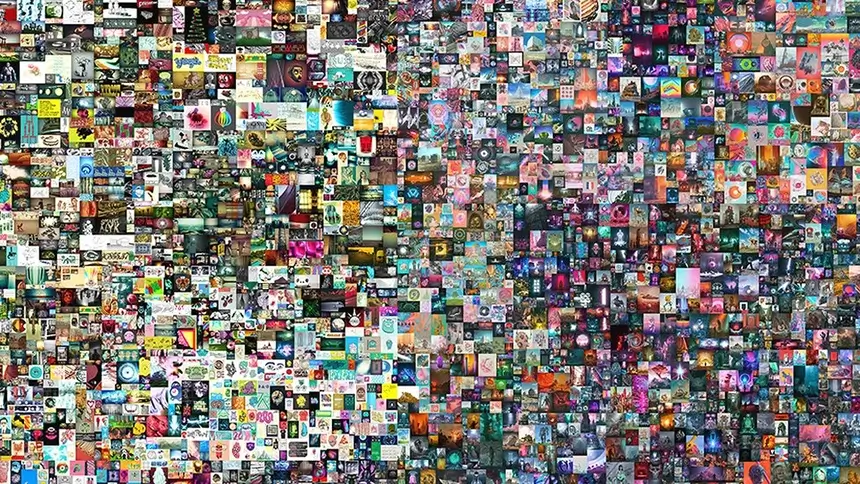
Source: Wikipedia
So, how do you cut through the noise and actually get your NFT project noticed?
That’s where NFT marketing strategies come in. Unlike traditional product launches, NFTs combine culture, technology, and community in a way that demands a unique approach. It’s not just about dropping an NFT collection — it’s about building a movement.
In this guide, we’ll break down:
- How to design a successful NFT marketing plan.
- The best tactics for NFT marketing and promotion in 2025.
- Proven examples of NFT projects that scaled.
- The platforms, tools, and companies that can help.
And, most importantly, how networks like AADS can help you promote NFTs effectively with targeted banner campaigns.
What Makes NFT Marketing Different From Traditional Marketing?
Source: nbatopshot.com
Before we dive into specific nft marketing strategies, let’s pause and ask: why is this different from selling, say, sneakers or an app?
- Scarcity and culture. With NFTs, scarcity is part of the product. The value is tied not just to utility, but also to culture, hype, and exclusivity.
- Community-driven. Most NFT projects succeed or fail based on community trust and engagement. This makes NFT community marketing central to every plan.
- Transparency. The blockchain exposes every transaction. That means fake hype can be spotted quickly — authenticity is key.
- Global by design. An NFT drop isn’t limited to one country. You’re marketing to a worldwide audience, from collectors in New York to gamers in Seoul.
This is why NFT marketing and promotion requires a toolkit that goes far beyond traditional digital ads.
Building the Foundation — Your NFT Marketing Plan
A great NFT project without a marketing plan is like a car without fuel. It doesn’t matter how polished your artwork or smart contracts are — if nobody sees it, it won’t sell.
Here’s what a strong nft marketing plan looks like:
Step 1: Define Your Audience
Are you speaking to art collectors, DeFi degens, or gamers? Each group has different triggers. For example:
- Collectors care about prestige and scarcity.
- Gamers care about utility inside virtual worlds.
- Investors care about long-term value and roadmap execution.
Step 2: Choose Your Narrative
Every project needs a story. Why should people care? Is it about empowering artists, reshaping gaming economies, or offering membership perks? Without a clear narrative, your campaign will drown in the sea of lookalike projects.
Step 3: Select Promotion Channels
A robust plan should include:
- NFT advertising on crypto-friendly networks like AADS.
- NFT social media marketing (Twitter/X, Discord, TikTok, YouTube).
- NFT calendar promotion — listing your drops on high-traffic sites.
- PR placements in crypto media.
- Community building via AMAs, contests, and partnerships.
Step 4: Timeline Your Launch
Too many creators just “drop” their collection without buildup. A successful launch usually follows:
- Teaser phase. Build intrigue with previews and concept art.
- Pre-launch. Grow the community, release sneak peeks, whitelist early fans.
- Launch. Execute across all channels at once.
- Post-launch. Keep momentum with utility updates, collaborations, and secondary sales campaigns.
Step 5: Measure and Adapt
NFTs move fast. Track metrics like:
- Discord growth.
- Engagement rates.
- NFT ad CTRs.
- Secondary sales volume.
- Social mentions.
Adjust your plan weekly, not quarterly.
NFT Marketing Strategies That Actually Work
Now that we’ve laid the foundation, let’s dive into specific tactics that top projects use to promote NFTs and get attention.
1. NFT Advertising on Targeted Platforms
General ad networks often reject NFT ads due to regulatory uncertainty. That’s why specialized platforms like AADS are crucial.
With AADS, you can run NFT ad campaigns across crypto and non-crypto websites, ensuring your ads are shown to audiences already familiar with blockchain. Unlike intrusive popups, AADS focuses on banner ads that blend into the user experience — a proven way to raise visibility without alienating potential collectors.
👉 Try AADS NFT advertising now and get your project in front of engaged crypto users.
2. NFT Calendar Promotion
One underrated but highly effective tactic is NFT calendar promotion. These are websites where collectors actively search for upcoming drops. Listing your project there not only gives visibility but also adds credibility.
Some popular NFT calendars:
- NFTCalendar.io
- UpcomingNFT.net
- Rarity.tools event boards
A good listing includes:
- Eye-catching visuals.
- A concise but compelling description.
- Direct links to your mint page and community.
Pro tip: Don’t wait until the last minute. Most calendars require 1–2 weeks of lead time.
3. NFT Social Media Marketing
Let’s be honest — most NFT projects live or die on social media. Twitter/X remains the heartbeat of the Web3 conversation, while Discord is where the most committed community members gather.
But TikTok and YouTube are becoming increasingly important. In fact, NFT-related YouTube videos saw over 80 million cumulative views in 2024 alone. If you’re not creating short-form video content to explain your project, you’re missing out.
Here are quick wins:
- Run Twitter Spaces with your team and collabs.
- Post behind-the-scenes TikToks of your artists creating.
- Upload explainer videos to YouTube — think “why our NFTs matter” or “how to mint.”
- Share user-generated content from early collectors.
4. Influencer Collaborations
Web3 influencers aren’t just marketers; they’re community gatekeepers. Partnering with trusted creators can instantly give your project credibility.
But here’s the catch — choose authenticity over follower count. A mid-tier influencer with 20k engaged followers in NFTs is often more valuable than a “crypto celeb” with 500k bots.
Case Study:
A mid-sized generative art project in 2023 partnered with three niche Twitter influencers. Instead of flashy shills, the influencers shared authentic threads about the project’s art philosophy. Result: the project sold out in 48 hours, despite a bear market.
5. NFT Community Marketing — The Real Powerhouse
If there’s one golden rule in NFTs, it’s this: community is everything. You can have the best art, the most innovative smart contract, or even celebrity backing, but without a loyal community, your project will collapse after launch.
So, what does NFT community marketing really look like?
- Discord as your HQ. This is where your early adopters hang out. Channels for general chat, sneak peeks, roadmap updates, and support keep people engaged.
- Gamification. Assign roles, levels, or perks for active members. Some projects reward engagement with whitelist spots or free NFTs.
- Transparency. Weekly AMAs or town halls build trust. People want to feel the founders are accessible.
- Collabs with other communities. Partnering with existing NFT Discords can introduce you to fresh audiences without cold outreach.
Personal note: I once watched a mid-tier NFT project skyrocket in value simply because the founders hosted casual “coffee chats” every Sunday on Discord. No pitch, just conversations. That small act made collectors feel part of something bigger.
6. Public Relations and Thought Leadership
Not all NFT promotion has to happen in Discord or Twitter. Traditional PR campaigns still work — if they’re tailored for Web3.
Where to focus:
- Crypto news outlets like CoinTelegraph, Decrypt, CoinDesk.
- Niche NFT blogs and Substack newsletters.
- Guest posts on Medium or Mirror.xyz (the Web3 publishing platform).
Thought leadership is underrated. If your founder or lead artist writes a piece on “The Future of Digital Collectibles in Gaming”, that article can get shared widely and establish authority.
Pro tip: Avoid pure press releases. Instead, pitch stories with a human angle — why the founder is passionate, how the project solves a problem, or what unique vision it brings.
7. Paid Ads vs Organic Growth — Striking the Balance
This is one of the most debated topics in marketing for NFT. Should you invest in paid ads, or just rely on organic hype?
Organic growth strengths:
- Builds stronger trust.
- Often cheaper.
- Better long-term engagement.
But the weakness? It’s slow.
Paid NFT ads strengths:
- Immediate visibility.
- Targeted audiences (with networks like AADS).
- Scalable.
Weakness? Paid ads can come across as “inauthentic” if they’re not balanced with genuine community growth.
Best practice: use paid ads to fuel awareness (top of funnel) and organic engagement to drive conversions (bottom of funnel).
👉 If you’re looking for a safe way to start, AADS provides banner ad placements on trusted crypto and non-crypto websites — making it a smart way to advertise NFT projects without risking bans from mainstream networks.
8. Case Studies — Real Projects That Nailed NFT Promotion
Let’s look at how some projects used NFT marketing strategy effectively.
Case Study 1: Bored Ape Yacht Club (BAYC)
- Strategy: Exclusivity + Community.
- They didn’t spend millions on ads. Instead, they created a club-like atmosphere with perks, events, and real-world meetups.
- Result: One of the most recognizable brands in NFTs, with floor prices reaching hundreds of thousands at peak.
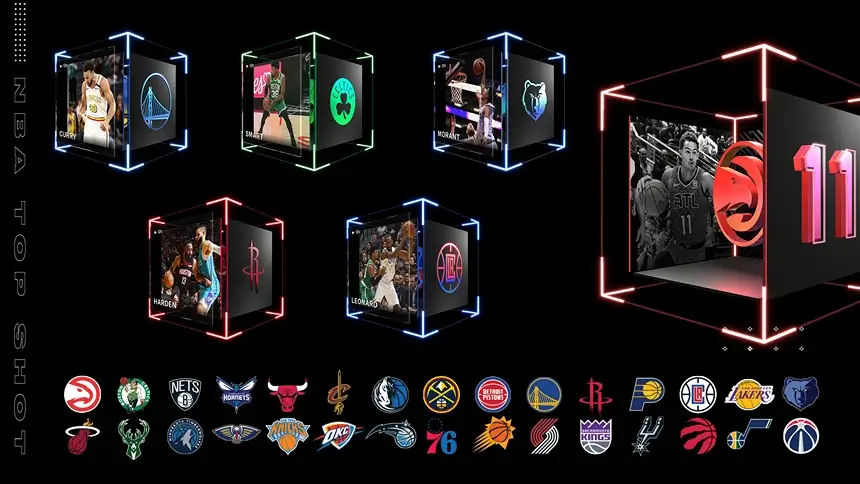
Case Study 2: NBA Top Shot
- Strategy: Utility + Mainstream PR.
- They leveraged the NBA’s massive fan base and positioned NFTs as “moments” — digestible for sports fans unfamiliar with crypto.
- Result: Over $1 billion in sales within months of launch.
Case Study 3: A Small Indie Art Project (2022–23)
- Strategy: NFT calendar promotion + influencer collabs.
- With only 1,000 NFTs, they focused on NFT ad placements, Discord growth, and handpicking mid-level influencers.
- Result: Sold out in under 72 hours — with secondary market sales tripling the mint price.
The common thread? A clear NFT marketing plan that blended paid, organic, and community-first tactics.
9. Leveraging YouTube and Content for NFTs
Remember earlier we touched on video? It deserves its own spotlight.
YouTube is increasingly the platform where skeptical audiences are converted into believers. Many people still don’t understand NFTs. Educational, storytelling-driven content is a game-changer.
Ideas for NFT video marketing:
- Explainers: “How to mint our NFT in 3 steps.”
- Behind-the-scenes: “Meet the artists behind the collection.”
- Utility showcase: “How this NFT gives you access to exclusive concerts.”
- Founder’s vision: “Why we’re building this NFT project.”
Pairing these videos with NFT social media marketing — short clips on TikTok, Instagram Reels, and Twitter — multiplies their impact.
10. Partnerships and Cross-Promotions
The NFT space is collaborative by nature. Instead of competing with every project, why not partner?
Examples:
- Co-branded NFT drops with another project.
- Cross-discord promotions — giveaway spots in each other’s servers.
- Brand collabs — traditional companies entering Web3 love working with native projects.
Think of Adidas x BAYC or Coca-Cola’s NFT drops. These were massive because they combined mainstream reach with NFT community credibility.
If you’re running a smaller project, don’t think you can’t do this. Even a collab with another indie NFT collection can double your exposure.
11. Advanced NFT Marketing Tactics for 2025
As the NFT space matures, the same old “Discord + Twitter + influencer collab” formula won’t cut it anymore. Projects need to innovate. Here are some advanced tactics worth exploring:
Gamified NFT Experiences
Instead of just minting static images, many projects now build mini-games, staking rewards, or metaverse utilities. The more interactive your NFT, the longer holders stay engaged.
NFT Calendar Promotion with Exclusivity
Listing your mint on NFT calendars is common, but what if you added a VIP whitelist that’s only accessible through completing certain challenges? Suddenly, your project feels like an exclusive club.
DAO Integration
Some projects integrate governance directly. Allowing your NFT holders to vote on future utilities or collabs gives them a sense of ownership.
AR and VR Marketing
We’re seeing NFTs used in augmented reality filters, VR art galleries, and even virtual concerts. Projects that embrace these new formats stand out.
12. Comparing NFT Advertising Platforms
If you’ve made it this far, you’re probably asking: “Okay, but where do I actually buy ads for NFT promotion?”
Here’s a quick look at the options:
Mainstream Platforms (Google, Facebook, Instagram)
- Pros: Huge reach, advanced targeting.
- Cons: Risk of bans due to strict crypto/NFT ad rules. Many projects get rejected outright.
Niche Crypto Ad Networks
- Pros: 100% crypto-friendly, trusted by NFT projects, targeted placements on crypto and blockchain websites.
- Cons: Smaller reach than mainstream platforms.
Influencer Paid Promotions
- Pros: Personalized reach, authentic voice.
- Cons: Expensive, and ROI can be unpredictable.
👉 This is where platforms like AADS really shine.
13. Company Spotlight — AADS
Let’s talk about AADS, one of the oldest and most trusted Bitcoin advertising networks.
-
Founded: 2011 (originally as A-ADS).
-
Location: Operates globally with a decentralized-first mindset.
-
Employees: Small but highly specialized team.
-
Core Services: Banner ads, crypto advertising solutions, campaign optimization.
-
Industries Served: Crypto projects, NFT collections, iGaming, blockchain services, and beyond.
-
Pricing: Flexible CPM model — campaigns can start small and scale based on your budget.
Why Choose Them:
-
13+ years of crypto advertising experience.
-
Trusted by thousands of advertisers and publishers.
-
Privacy-first (no invasive tracking).
-
One of the very few Google AdSense alternatives for crypto projects.
Case Studies:
-
An NFT project ran a 4-week banner campaign across AADS partner sites. They saw:
-
30% increase in Discord signups.
-
2x higher mint participation compared to organic-only strategies.
-
Improved secondary sales volume due to stronger brand visibility.
What sets AADS apart? Unlike mainstream platforms, you don’t have to worry about sudden ad rejections or bans. You get quality placements directly in front of engaged crypto audiences.
💡 If you’re wondering how to promote an NFT safely and effectively in 2025 — AADS is one of the most reliable ad networks you can partner with.
14. Building a Complete NFT Marketing Plan
Let’s put everything together. A strong NFT marketing plan in 2025 should include:
- Clear project positioning — What makes your NFT unique?
- Community-first strategy — Invest in Discord, Twitter, Telegram.
- Content creation — YouTube videos, Medium articles, AMAs.
- PR outreach — Secure mentions in top crypto publications.
- NFT calendar promotion — Appear on all relevant minting calendars.
- Paid ads — Use crypto-friendly platforms like AADS.
- Post-mint engagement — Don’t disappear after launch; keep holders updated with new utilities and collabs.
Remember, the market is saturated. You’re not just selling art or utility. You’re selling trust, excitement, and belonging.
15. Final Thoughts — How to Get Your NFT Noticed
Here’s the hard truth: not every NFT project will succeed. Many will fade away because they lacked a clear strategy, community connection, or consistent visibility.
But the ones that thrive? They usually follow a layered approach:
- Organic buzz through community and influencers.
- Broader reach via NFT advertising.
- Long-term engagement with utilities and storytelling.
If you want to promote NFTs in 2025 without wasting time and budget, start with the basics:
- Nail your story.
- Build your community.
- Amplify it with ads and PR.
And when it comes to advertising — choose platforms that understand Web3. That’s why so many NFT projects trust AADS as their go-to partner.
👉 Ready to promote your NFT collection?
Start your campaign with AADS today and get your project noticed by real crypto users worldwide.
Might Be Also Interested:
- What is Crypto Marketing?
- Influencer marketing for crypto projects
- How to earn crypto while learning about cryptocurrencies
- 10 Powerful Growth Marketing Strategies for Your Business
- Crypto and Blockchain Start-up Marketing Guide. How To Get Noticed In 2023
- Crypto ICO Marketing: Strategies for Success in the Crypto World
- 10 Useful AI Products for Business and Freelancing
- Get Noticed on Social Media: 11 Creative Ways to Drive Engagement
- 10 Tips for Better Mobile Optimization in Crypto Advertising
- The Benefits of Native Advertising for Crypto Brands
FAQ About NFT Advertising
What is NFT marketing?
NFT marketing refers to promotional strategies and activities to raise awareness, increase engagement, and drive sales for Non-Fungible Tokens (NFTs). NFTs are unique digital assets that are stored on a blockchain, and NFT marketing involves showcasing the value, rarity, and uniqueness of these tokens to attract collectors, investors, and enthusiasts.
What is the best NFT marketing strategy?
The best NFT marketing and promotion strategy involves:
- Creating compelling visuals.
- Telling engaging stories.
- Building an active community.
- Offering limited editions.
- Collaborating with influencers.
- Educating your audience.
- Listing on reputable NFT marketplaces.
- Using scarcity tactics.
This strategy combines artistic appeal, community engagement, exclusivity, and educational content to attract collectors and enthusiasts to your NFT project.
Who is the target audience for NFT?
The target audience for NFTs includes collectors, art enthusiasts, crypto investors, gamers, digital content creators, and individuals interested in blockchain technology and unique digital assets.
What are the benefits of NFT marketing?
NFT marketing offers several significant benefits:
- It provides a novel way for digital creators to gain visibility and monetize their work, reaching a global audience without intermediaries.
- NFTs enable direct engagement between creators and collectors, fostering a sense of connection and value appreciation.
- NFTs introduce new revenue streams through token sales and royalties, allowing creators to earn ongoing income from resales.
- NFT marketing facilitates community building around digital art and collectibles, enhancing brand loyalty and market demand.
- NFTs capitalize on the growing interest in blockchain technology and the concept of owning unique digital assets, driving broader adoption and innovation.
What is the future of NFT marketing?
We think that the future of NFT marketing holds continued growth, with increased mainstream adoption, innovative use cases beyond art, and further integration into entertainment, gaming, and virtual experiences.
References:
"The Ultimate Guide to NFTs" by CoinDesk- The Ultimate Guide to NFTs. Link: https://chainstack.com/ultimate-guide-to-nfts/
"NFTs: What Are They and How Do They Work?" - Link: https://www.coinbase.com/learn/crypto-basics/what-are-nfts
CoinTelegraph — NFT market trend reports
CoinDesk — Blockchain marketing insights
DappRadar — NFT sales analytics 2022–2025
NonFungible.com — NFT market growth statistics
AADS internal case studies and campaign reports
NFT Now, Decrypt — PR and marketing references